
Altair HyperWorks
Multi-physics simulation suite for structural, CFD, thermal, and electromagnetics work, now integrated into Siemens Simcenter.
HyperWorks is the right call if you are standardizing on Siemens Xcelerator: the software is now folded into the Simcenter portfolio, pairs tightly with Teamcenter, and its breadth across structural, CFD, thermal, and electromagnetics plus PhysicsAI surrogate modeling is hard to match in one environment. The catch is enterprise-grade: pricing is contact-only through Altair Units, the learning curve is steep, and there is no self-serve tier. For budget-constrained or quick-FEA work, look at SimScale, Ansys, or Onshape instead, and OpenFOAM or CalculiX if you want open source.
Verified 1d ago · liveness 57/100 · cite: rightaichoice.com/tools/altair-hyperworks
- Aerospace and automotive engineers needing multi-physics simulation
- Enterprises standardizing on Siemens Xcelerator and Teamcenter
- Teams running large-scale structural, CFD, and optimization jobs on HPC
- Design teams using AI and generative optimization methods
- Budget-constrained small businesses (sales-gated, high licensing cost)
- Quick, simple FEA tasks better served by SimScale or Onshape
- Teams wanting a lightweight self-serve desktop-only tool
We scan live Reddit threads, YouTube comments, X posts, G2 reviews and other communities — and hand you an honest verdict in under a minute.
- Honest verdict, not marketing
- Real pros & cons from real users
- Attributed quotes with receipts
3 free scans · no card needed
Skip HyperWorks if you need quick, budget-friendly FEA or a self-serve price you can buy online without a sales call.
There's no published price list — Altair Units licensing is all-in and always-on, but you only learn the number through a sales conversation, so budget approval is slow.
HyperWorks is priced for enterprises: licensing runs through Altair Units on an all-in, always-on basis, and HyperWorks is now sold within the Siemens Simcenter portfolio, which requires a sales conversation rather than a self-serve checkout. That fits mid-to-large engineering organizations with sustained simulation workloads. Smaller teams comparing on budget will find SimScale or Onshape cheaper and faster to start; Ansys competes at a similar enterprise level.
In short
Altair HyperWorks — Multi-physics simulation suite for structural, CFD, thermal, and electromagnetics work, now integrated into Siemens Simcenter. Best for Aerospace and automotive engineers needing multi-physics simulation, Enterprises standardizing on Siemens Xcelerator and Teamcenter, Teams running large-scale structural, CFD, and optimization jobs on HPC. Contact Sales pricing.
Viability Score
How well maintained and how widely used is Altair HyperWorks? Built from what the vendor actually publishes (docs, changelog, tutorials, integrations, pricing), whether the site is live, and how much real users discuss it. How we calculate this
Last calculated: September 2026
How we score →Key Features
- Structural linear and nonlinear analysis (static and dynamic)
- Computational fluid dynamics (CFD) including Flightstream
- CAD-embedded CFD with Simcenter FLOEFD 2606
- Smart Die thermal analysis for electronics cooling (FLOEFD 2606)
- Enhanced Smart PCB FEM mesh thermal analysis (FLOEFD 2606)
- Thermal analysis and heat transfer
- Multi-physics coupling (structural-fluid-thermal)
- Topology and shape optimization
- Direct modeling and advanced meshing
- AI-driven surrogate models with PhysicsAI
- HPC and cloud scalability via Altair Units and Altair One
- Electromagnetics simulation (low and high frequency)
- Acoustic and vibration analysis
- Fatigue and durability analysis
- Altair HPCWorks for HPC and cloud management
About Altair HyperWorks
Altair HyperWorks is a multi-physics simulation and design platform for engineering teams. It covers structural (linear and nonlinear static and dynamic), computational fluid dynamics including Flightstream, thermal and heat transfer, electromagnetics (low and high frequency), acoustics and vibration, and fatigue and durability analysis from one environment, with multi-physics coupling across structural, fluid, and thermal domains. Capabilities include direct modeling and advanced meshing, topology and shape optimization, and PhysicsAI surrogate models that build from your existing simulation data to accelerate design space exploration. As of the Siemens acquisition, the software formerly within the HyperWorks platform has been integrated into the Simcenter simulation and test portfolio within Siemens Xcelerator, and Altair's support services have moved to the Siemens Support Center. Electronics cooling gets CAD-embedded CFD through Simcenter FLOEFD 2606, which adds Smart Die and enhanced Smart PCB FEM mesh thermal analysis. HPC and cloud scale through Altair Units licensing and the Altair One cloud gateway, while Altair HPCWorks and RapidMiner handle compute management and data analytics. It's built for enterprises already committed to Siemens PLM (Teamcenter) that run large-scale structural, CFD, and optimization studies. The tradeoffs are a steep learning curve, pricing that requires a sales conversation, and a platform that is far more capability than a lightweight FEA job needs.
Behind the Verdict
Where HyperWorks wins is depth in one place. You get structural linear and nonlinear analysis, CFD including Flightstream, thermal and heat transfer, electromagnetics, acoustics, and fatigue in a single suite, with multi-physics coupling across them — the sort of breadth that usually means stitching together three or four separate tools. Topology and shape optimization and direct modeling with advanced meshing are mature, and PhysicsAI surrogate models let teams explore a design space off existing simulation data rather than re-running high-fidelity solves for every candidate. Electronics cooling is a clear strength: Simcenter FLOEFD 2606 brings CAD-embedded CFD with Smart Die and enhanced Smart PCB FEM mesh thermal analysis. On the infrastructure side, Altair Units license the whole suite on an all-in, always-on basis, HPCWorks manages HPC and cloud compute, and Altair One is the cloud gateway to tools, data, and compute. The Siemens acquisition is the biggest recent development: HyperWorks software now sits inside the Simcenter simulation and test portfolio within Xcelerator, RapidMiner is now part of RapidMiner, HPCWorks has its own home, and support has moved to the Siemens Support Center. If you already run Siemens PLM (Teamcenter), that alignment is a real advantage. If you don't, the value is thinner and the migration cost higher. The honest downsides: the platform assumes simulation and CAE expertise and the learning curve is steep for beginners, pricing is only available by contacting sales, PhysicsAI is still emerging and won't replace high-fidelity simulation in every case, and this is overkill for quick, simple FEA — SimScale or Onshape will get you there faster and cheaper. If you want open source, OpenFOAM or CalculiX are the alternatives.
Researching Altair HyperWorks? Get your full AI stack in 60 seconds.
Free, no signup — tell us your goal and get tools matched to your budget & existing stack.
Real-world workflow fit
Concrete scenarios for the personas Altair HyperWorks actually fits — and what changes day-one when you adopt it.
You load a BIW model, run nonlinear static analysis, then drive topology and shape optimization against weight and stiffness targets, coupling thermal loads from the same session.
Outcome: A lighter component design validated across structural and thermal physics without leaving one environment.
You use Simcenter FLOEFD 2606 CAD-embedded CFD to model airflow in an enclosure, then apply Smart Die and enhanced Smart PCB FEM mesh thermal analysis to the board.
Outcome: Board-level and enclosure-level thermal behavior assessed in the CAD model itself rather than in a separate CFD tool.
You queue large CFD and optimization runs through Altair HPCWorks and Altair Units, letting teams access tools and compute through the Altair One cloud gateway.
Outcome: Shared compute and licensing across the team instead of per-seat desktop installs.
Use Cases
- Optimize structural components with generative design to cut weight and material usage.
- Explore design spaces faster using PhysicsAI surrogate models built from existing simulation data.
- Simulate fluid flow and thermal performance in electronic enclosures with CAD-embedded CFD (FLOEFD 2606).
- Model Smart Die and PCB FEM mesh thermal behavior for electronics cooling.
- Perform end-to-end multiphysics simulation for aerospace structures.
- Create digital twins of automotive subsystems for real-time monitoring.
- Reduce product weight with topology and shape optimization inside the full CAE suite.
Models Under the Hood
as of 2026-09-15
Limitations
- The platform assumes real simulation and CAE expertise; beginners face a steep learning curve.
- Pricing is only available by contacting sales, which puts it out of reach for individuals and small teams.
- PhysicsAI is still emerging and may not replace high-fidelity simulation in all cases.
- Because HyperWorks is now delivered inside the Siemens Simcenter portfolio, existing Altair users are navigating a migration of tools, licensing (Altair Units), and support to the Siemens Support Center.
as of 2026-09-14
Verification history
We have re-verified Altair HyperWorks 18 times since . Each pass re-reads the vendor's own pages and re-checks every listed field against that evidence; passes where nothing had changed are marked as such.
- — re-checked, vendor evidence unchanged
- — re-verified summary, description, our verdict, our analysis, pricing model, pricing tiers, features, integrations, who it suits, who should skip it
- — re-checked, vendor evidence unchanged
- — re-verified summary, description, our verdict, our analysis, pricing model, pricing tiers, features, integrations, who it suits, who should skip it
- — re-verified summary, description, our verdict, our analysis, pricing model, pricing tiers, features, integrations, who it suits, who should skip it
- — re-verified summary, description, our verdict, our analysis, pricing model, pricing tiers, features, integrations, who it suits, who should skip it
Showing the 6 most recent of 18 verification passes.
Free to cite with attribution — this page re-verifies continuously.
Where the pricing makes sense
The company stage and team size where Altair HyperWorks's pricing actually pencils out — and where peers do it cheaper.
HyperWorks is priced for enterprises: licensing runs through Altair Units on an all-in, always-on basis, and HyperWorks is now sold within the Siemens Simcenter portfolio, which requires a sales conversation rather than a self-serve checkout. That fits mid-to-large engineering organizations with sustained simulation workloads. Smaller teams comparing on budget will find SimScale or Onshape cheaper and faster to start; Ansys competes at a similar enterprise level.
Setup time & first value
How long it actually takes to get something useful out of Altair HyperWorks — broken out by persona, not the marketing-page minute.
Expect weeks, not hours, for a first meaningful result: the platform assumes CAE expertise and the learning curve is steep for beginners. Teams installing desktop tools reach a first solve faster, but HPC/cloud setup via Altair Units and Altair One, plus the move to the Siemens Support Center, adds admin time. Enterprises integrating with Teamcenter should plan an onboarding project.
Switching to or from Altair HyperWorks
How to bring data in from common predecessors and how to get it back out — written for the switcher, not the buyer.
- →From standalone Ansys: move structural, CFD, and thermal work into HyperWorks inside the Siemens Simcenter portfolio and re-validate models.
- →From SimScale: shift cloud convenience into Altair One plus Altair Units for broader physics coverage and HPC scale.
- →From OpenFOAM or CalculiX: replace scripted open-source solves with the GUI-driven CAE suite and CAD-embedded FLOEFD CFD.
- →From legacy Altair tools: adopt the Simcenter-integrated stack and move support to the Siemens Support Center.
- ↗To SimScale: for budget-friendly, self-serve cloud FEA and CFD when enterprise licensing is out of reach.
- ↗To Ansys: when you want an alternative enterprise CAE suite with its own multi-physics depth.
- ↗To OpenFOAM or CalculiX: when cost sensitivity outweighs a supported, GUI-driven commercial platform.
Integrations
Resources & Guides
- Resourcealtair.com
Customer Support | Altair
Our extensive array of support resources includes engaging learning materials, vibrant community forums, intuitive online help resources, how-to guides, and a user-friendly support portal.
- Learnaltair.com
Altair Learning Hub
Discover the Altair Learning Hub for resources tailored to all skill levels, from beginners to experts, to enhance your knowledge and skills.
- Resourcealtair.com
Altair Blog
The Altair Blog is the best way to stay up to date on Altair’s most noteworthy articles, including those from Altair executives and partner organizations.
- Resourcealtair.com
Resources
Helpful link from altair.com
- Resourcealtair.com
Documentation
Helpful link from altair.com
- Resourcealtair.com
Altair One
Helpful link from altair.com
- Resourcealtair.com
Altair Events
Take a look at the latest events and happenings in Altair
- Resourcealtair.com
Webinars
Helpful link from altair.com
- Resourceyoutube.com
@AltairHyperWorks
Helpful link from youtube.com
Tutorials & Learning
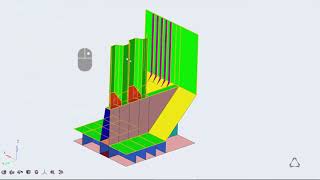
Altair HyperWorks 2019 X 基本操作
Altair
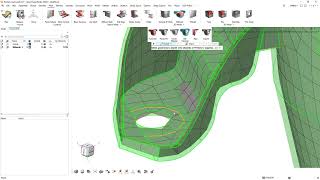
2D Geometry and Meshing
Altair HyperWorks How-To

Altair HyperWorks 2026を正しくインストールする方法(完全ガイド)
FEA Master
YouTube returned 4 videos for “Altair HyperWorks”, and we withheld 1: 1 did not mention Altair HyperWorks. Showing the 3 we can prove are about Altair HyperWorks.
Official links
Tools that pair well with Altair HyperWorks
Common stack mates teams adopt alongside Altair HyperWorks, with the specific reason each pairing earns its keep.



Alternatives to Altair HyperWorks
View all


Categories
Best-of guides
Used Altair HyperWorks? Help shape our editorial sentiment research.